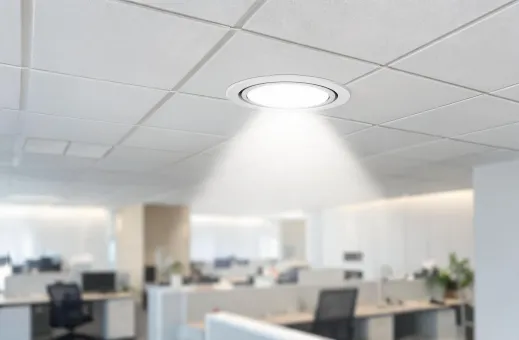
Recessed and panel formats
Evaluate cutout, ceiling integration, UGR targets and 0-10V or DALI-2 compatibility for offices, education spaces and clinical circulation areas.
Match a format →Photometric-ready commercial lighting
Compare luminous flux, mounting format, ingress protection and dimming interface without working through an oversized catalog. Selection starts with the installed condition and ends with a specification-ready shortlist.
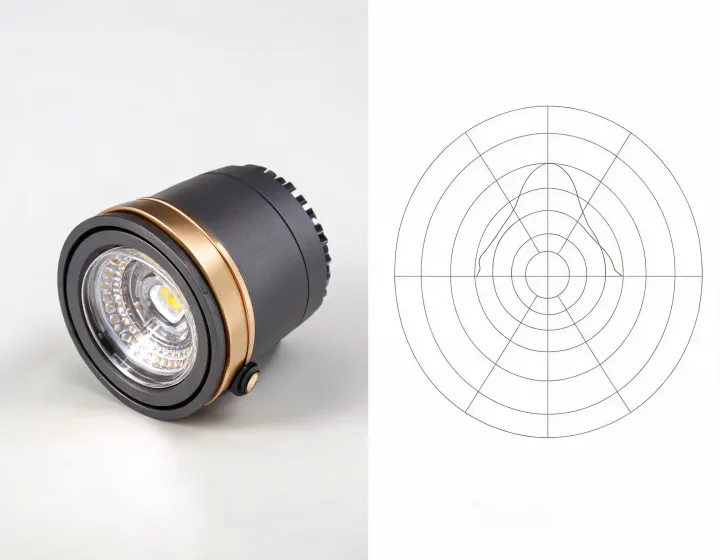
Focused families
Each route keeps optical performance, electrical interface and maintenance access visible at the same decision point.
Evaluate cutout, ceiling integration, UGR targets and 0-10V or DALI-2 compatibility for offices, education spaces and clinical circulation areas.
Match a format →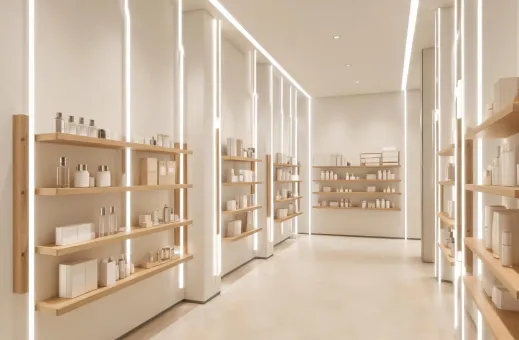
Coordinate beam angle, CRI, CCT and mounting continuity where merchandise, wayfinding or task planes require deliberate light distribution.
Review optical needs →
Balance luminous flux, efficacy, surge protection and thermal management for warehouse, production and high-ceiling service zones.
Define the duty cycle →Decision notes
These checkpoints expose trade-offs early, before fixture schedules and control intent become expensive to revise.
Send target lumens, mounting type, IP requirement and dimming interface for an application-led review.
Submit project criteria